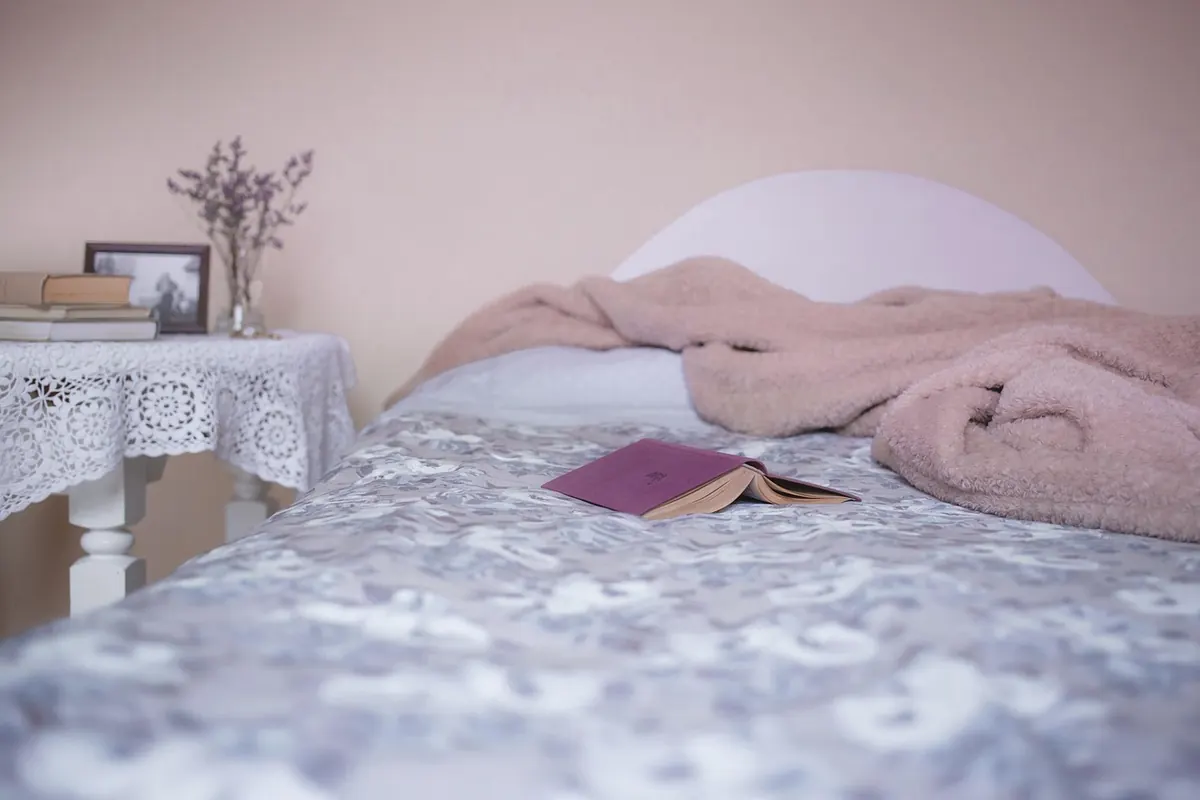
British summers are not one thing. There is the week in June when it rains sideways, and the fortnight in August when the bedroom turns into a low-grade kiln and you lie on top of the duvet at midnight with the window open, listening to a fan two streets away. Between those extremes sits the ordinary muggy night: 19°C outside, warmer than that indoors, no breeze at all. That is when the sheet you sleep on stops being decoration and starts being equipment.
Linen and cotton are the two obvious choices, and the decision comes down to breathability, moisture, feel, care and cost.
Linen is woven from flax, a plant grown along the coasts of northern France, Belgium and the Netherlands, where the damp maritime climate suits it. Flax fibres are long, straight and slightly stiff, and they carry heat away from the skin rather than trapping it. The weave tends to be more open than cotton's, so air moves through the fabric. Put a hand on a linen sheet on a warm evening and it feels noticeably cool — not because it has been chilled, but because heat passes through it quickly.
Cotton is softer and more pliable as a fibre, and it holds a thin layer of still air against the skin. That is pleasant in spring and less so in a humid August. Where cotton wins or loses depends far more on weave than on the word "cotton" on the label.
Percale is a simple one-thread-over-one-thread weave. It looks matte, feels crisp and dry, and leaves plenty of tiny gaps for air. Sateen floats more threads across the surface, which makes it smooth, denser and warmer — lovely in a cool room, less so when the air is heavy. If you sleep hot, percale is the cotton to look at.
Thread count is a cotton marketing number and tells you surprisingly little. A well-made 200-thread-count percale can sleep cooler and last longer than a slick 800-thread-count sateen, because weave and yarn quality matter more than density. For linen, thread count is close to meaningless: it is assessed by weight and fibre quality, and those numbers are not comparable with cotton's.
Both fibres absorb water, which is what stops you lying in a puddle. The difference is how quickly they let it go. Linen takes up moisture readily and releases it fast, so it dries quickly and feels dry against the skin. Cotton absorbs well but holds on to that moisture for longer, which is why a cotton sheet can feel heavy and slightly clammy on a humid night even when the temperature is not extreme.
Linen also drapes away from the body a little rather than clinging, and that small gap of moving air is worth a great deal when the room has none. A cotton percale sheet gets some of the same effect from its open weave; a dense sateen sheet gets almost none.
A sheet cannot cool a room down. It can decide whether you wake at three in the morning stuck to it.
New linen has a dry, faintly nubby texture that some people love immediately and others find scratchy for the first few washes. Stonewashed linen starts softer. Either way it softens considerably over time, and it creases — visibly, permanently, in a way you either find relaxed and handsome or mildly infuriating. A linen bed never looks freshly ironed for long.
Cotton feels more familiar. Percale is crisp and hotel-like, holds a fold and presses beautifully. Sateen is silkier and warmer. Jersey feels like an old T-shirt, which is exactly the point in January.
Neither fibre is difficult, but they want different treatment. A simple routine:
Cotton percale is the easier of the two: it
Photo: Pexels / Pixabay
A practical guide to visible mending, patching and cutting down worn linen sheets — plus simple projects that turn...
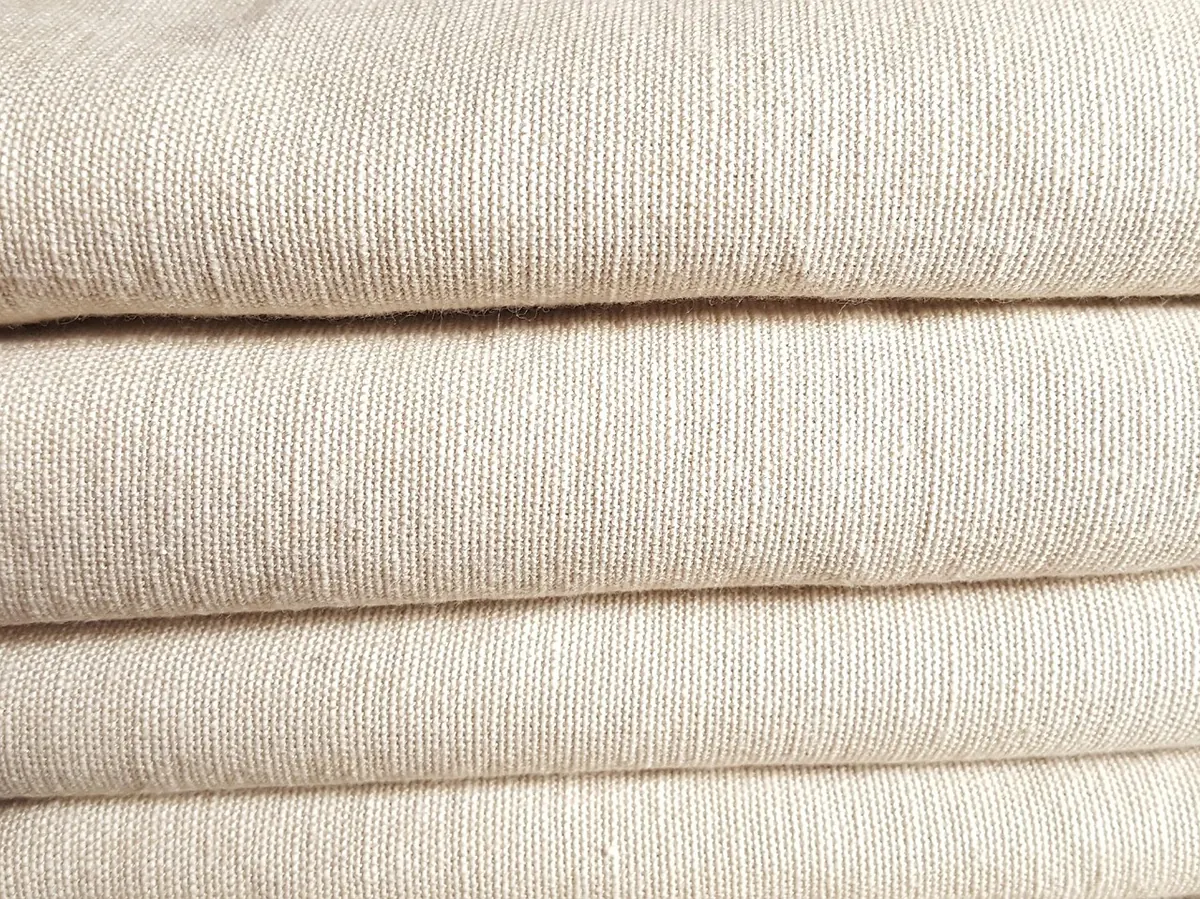
A practical guide to common linen weaves — plain, twill, herringbone, basket, sateen and huckaback — explaining how...
How to pair linen curtains with cottages, Georgian rooms and Victorian terraces — choosing colours, linings and...

Celebrating the beauty and versatility of linen..
