
Linen and the British seaside have a complicated relationship. The fabric loves heat; the coast rarely commits to it. You can leave a hotel in bright sunshine, walk twenty minutes along the headland into a wind that turns a loose shirt into a sail, and be hunting for a jumper before the harbour comes back into view. Twenty minutes later the sun is out again, and the same shirt is clinging to your back in a sheltered cove.
None of that is a reason to leave the linen at home. It is a reason to pack it with the coast in mind: layered, a touch heavier than you would choose for a city heatwave, and picked for how it behaves when it gets damp, salty and creased. The trick is not to fight the weather. It is to choose linen that looks better, not worse, when the day changes its mind.
Check wind speed and direction as well as the high. A mild day with an onshore breeze on an exposed stretch of the Northumberland coast feels nothing like the same temperature in a sheltered Cornish cove, and that difference usually decides whether you want linen against your skin or linen over something else. A bright morning in Whitby can turn into a cold afternoon on the pier; a still afternoon in St Ives can feel Mediterranean until the tide turns. Southwold, Llandudno, Pembrokeshire, the Norfolk broads: each has its own microclimate, and the forecast app rarely captures the gust that comes around the headland.
Two things follow. Weight matters more than colour at the coast: handkerchief-light linen that feels lovely in a heatwave will flap, cling and lose its shape in a gust, while a denser weave with a bit of body hangs properly. And pack linen you can tie, tuck or cinch — a shirt knotted at the waist, a dress with a belt, trousers with a drawstring. Anything loose and unstructured is at the mercy of the weather. If you are walking a cliff path, a long linen skirt can be beautiful in still air and a nuisance in a crosswind; a pair of wide-leg trousers will serve you better.
Wide-leg linen trousers, or shorts if the forecast genuinely deserves them, and a linen T-shirt, vest or camisole on top. Loose enough to let air move, not so loose that it becomes a nuisance on an open beach. A simple base layer also gives you something to strip back to when the sun finally arrives, and something to build on when it disappears.
Mid-tones are the practical choice for a weekend. Sand, salt spray and sun cream all leave marks, and they show fastest on very dark and very pale linen. Stone, oatmeal, faded olive, washed blue and soft terracotta are far more forgiving. As for creasing, it will happen; at the coast it reads as deliberate rather than untidy. If you would rather keep it to a minimum, choose a linen-cotton blend for the trousers and save pure linen for the top. A blend also survives a picnic bench, a stone wall and a long car journey with less fuss.
The most useful piece in a coastal linen wardrobe is a shirt. Not a fitted one — a slightly oversized linen or linen-cotton shirt you can wear open over a vest at midday, buttoned against the wind at four, and draped over a dress in the evening. Roll the cuffs rather than pushing the sleeves up; rolled sleeves stay put in a breeze. A plain white or faded blue shirt is the classic, but a thin stripe or a muted check adds a little seaside character without shouting.
Then add two layers and you can handle almost any British weekend:
If there is room for one more thing, add a light linen scarf. It weighs nothing and it rescues an evening. A scarf also solves the problem of a linen shirt that feels too bare once the wind picks up, without adding the bulk of a jacket.
Think in outfits, and build everything around one restricted palette so the pieces work together. If everything is in the same family of sand, stone, olive and washed blue, you can dress in the dark of a seaside B&B and still look put together. Two days is not a fashion show; it is a small capsule that has to cope with sand, salt and sudden cold.
Shoes can make or break a linen outfit at the coast. The wrong pair will look too city, too delicate or too painful on a pebble beach. The right pair will let you walk from cliff path to pub without changing.
For bags, choose something soft and practical: a canvas tote, a woven basket or a small crossbody. A structured leather bag can feel too formal beside crumpled linen, and it will collect sand in every seam. Add a straw hat with a chin strap, sunglasses you are not afraid to lose, and a lightweight scarf. These are the pieces that make a simple linen outfit look intentional rather than accidental.
Linen creases. At the seaside, that is part of the charm. A freshly pressed linen shirt can look stiff and city-like beside a weathered harbour wall; a softly creased one looks as though you belong there. Pack by rolling rather than folding, and leave a little space in the bag so the fabric can breathe. If you want to smooth something out, hang it in the bathroom while you shower, or give it a quick shake and wear it. Do not iron it flat unless you truly cannot help yourself.
Salt and sand need a little care. Rinse linen in cool water after a day at the beach, especially if it has been in the sea, and wash it with a gentle detergent. Avoid hot water and a hot tumble dryer, which can shrink the fibres and make the fabric feel brittle. Dry it in the shade, reshape it while damp, and let it finish drying on the line. A little salt is fine; a lot of it, left to sit, will weaken the cloth over time.
At the coast, linen is not supposed to look pressed. It is supposed to look lived in.
The British seaside rarely respects a plan. If the forecast shifts, do not abandon the linen; adapt it. Swap the shorts for trousers, add the overshirt, and put the thin knit underneath the shirt rather than over it. A linen shirt works surprisingly well as a mid-layer under a jacket, with the collar and cuffs showing. If rain arrives, accept that linen will not keep you dry. A compact waterproof shell over the top will do the real work, and the linen can come back out once the shower passes.
For a wet-weather backup, pack one non-linen layer: a light rain jacket or a sturdy cotton overshirt. It gives you permission to wear linen for the rest of the weekend without watching the sky quite so nervously. The point of a seaside wardrobe is not to be perfectly equipped for every possibility. It is to be comfortable, adaptable and just relaxed enough to enjoy the fact that the weather will change again in twenty minutes.
Photo: Marc Majam / Pexels
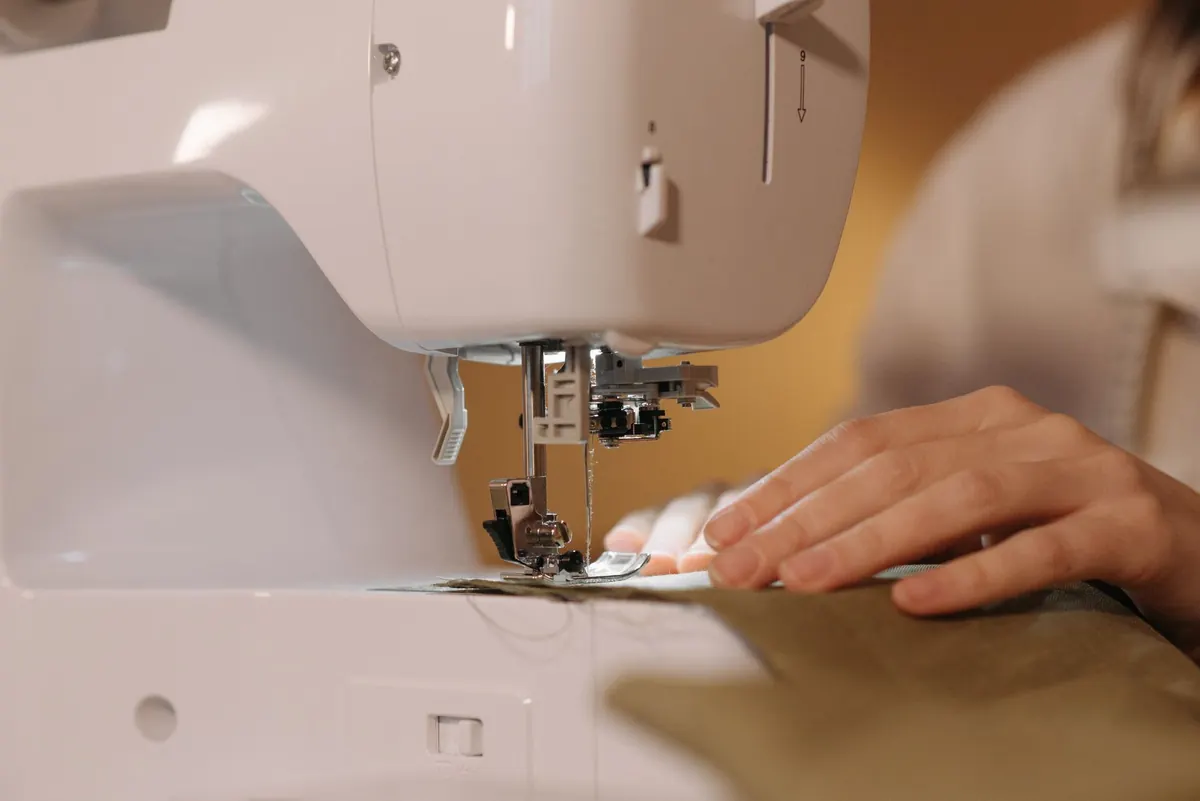
A practical guide to visible mending, patching and cutting down worn linen sheets — plus simple projects that turn...
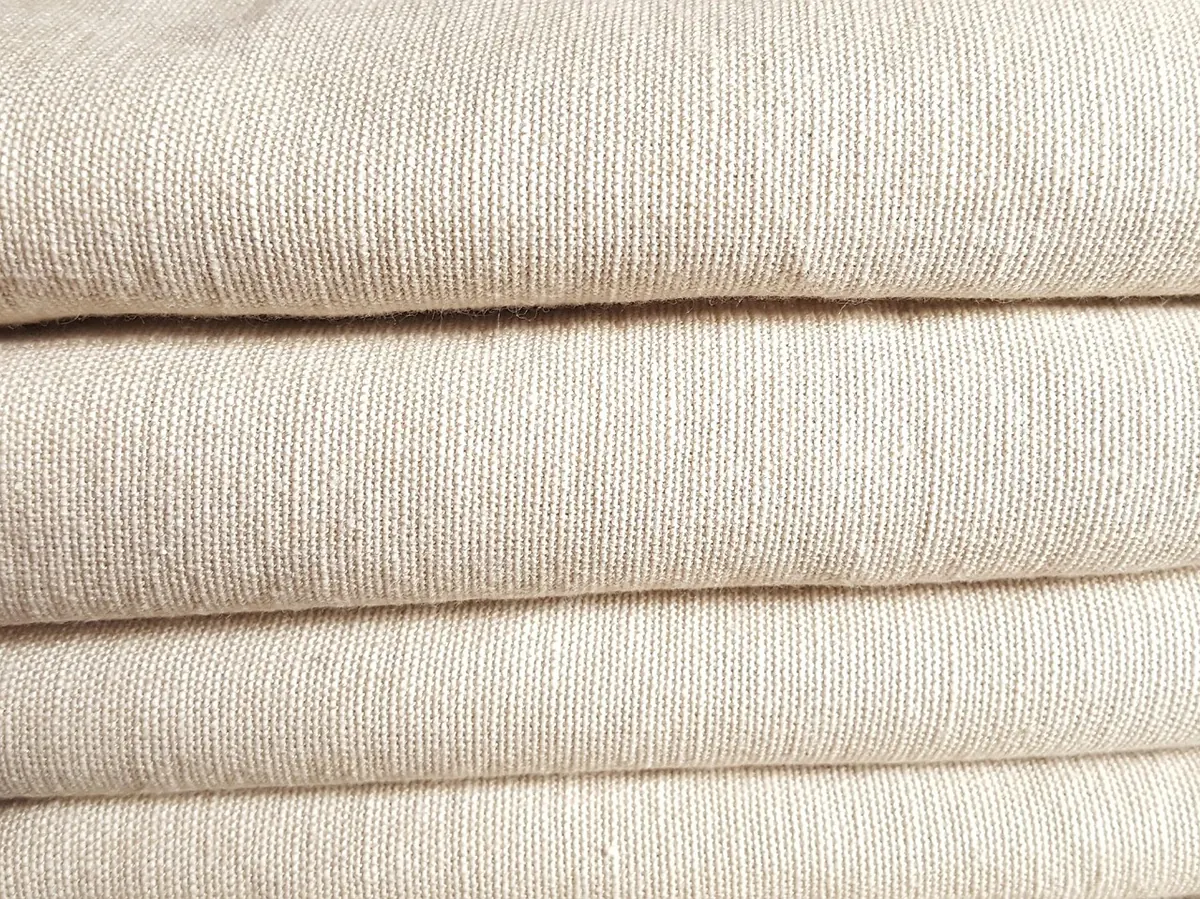
A practical guide to common linen weaves — plain, twill, herringbone, basket, sateen and huckaback — explaining how...
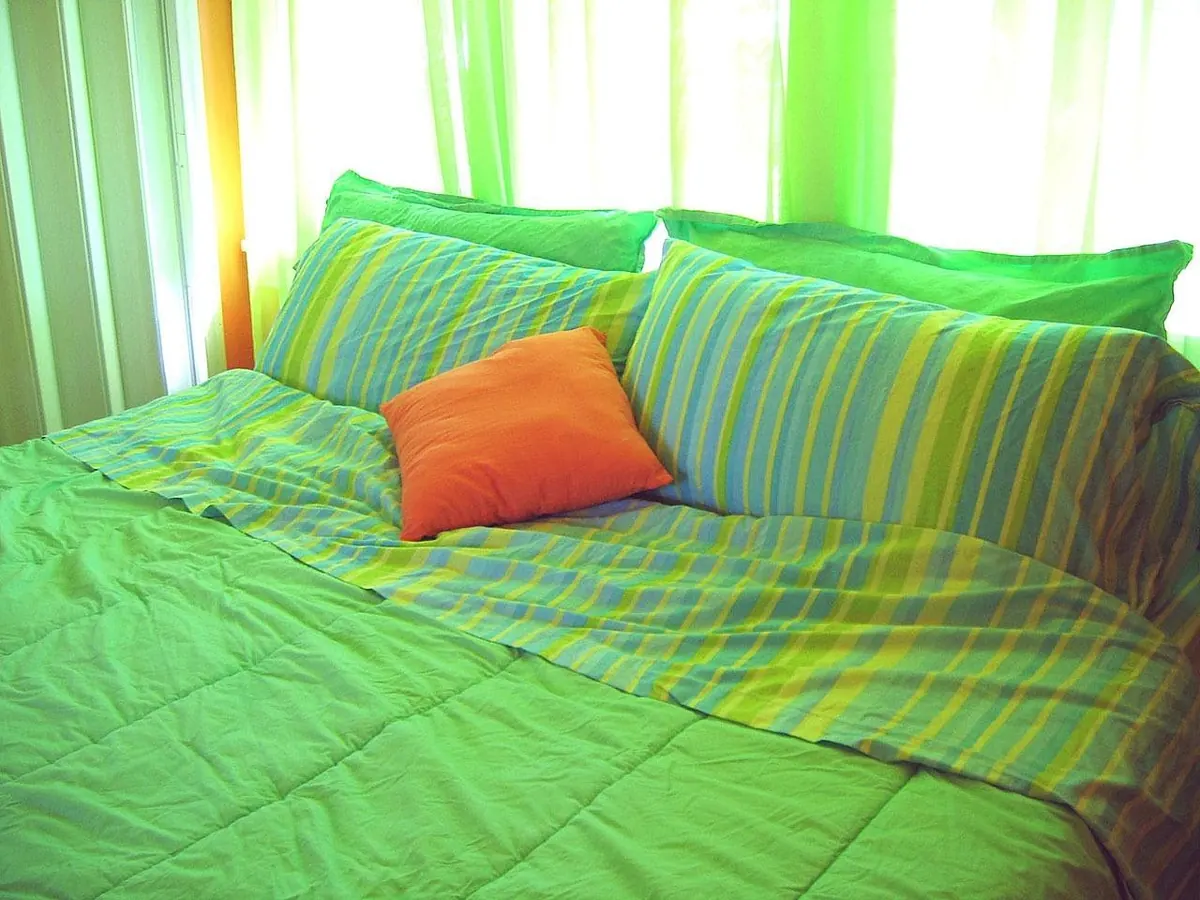
How to pair linen curtains with cottages, Georgian rooms and Victorian terraces — choosing colours, linings and...

Celebrating the beauty and versatility of linen..
